Table of Contents
- Key Takeaways
- Quick Verdict
- Product Overview & Specifications
- Real-World Performance & Feature Analysis
- Design & Digital Build Quality
- Performance in Real Use: Two Scenarios
- Ease of Use & Accessibility
- Content Reliability & Depth
- Pros & Cons
- Pros
- Cons
- Comparison & Alternatives
- Cheaper Alternative: “What to Expect When You’re Expecting” (Kindle Edition)
- Premium Alternative: “Mayo Clinic Guide to a Healthy Pregnancy” (Hardcover/Physical)
- Buying Guide / Who Should Buy
- Best For Beginners
- Best For Professionals & Tech-Savvy Users
- Not Recommended For
- FAQ
- Is the ParentData book too basic for a second-time parent?
- Can I read this without a Kindle device?
- How does this compare to getting free information online?
- Is it worth the price compared to free library books?
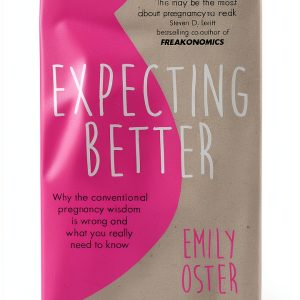
Staring at that positive test, the excitement is quickly followed by a wave of questions. As a first-time mom, you’re not just growing a human—you’re navigating an overwhelming flood of information, from well-meaning but conflicting advice to terrifying Google searches at 2 AM. You need a guide that feels like a trusted friend, not another voice adding to the noise. The ParentData Pregnancy Book for Kindle promises to be exactly that: a comprehensive, research-backed companion for the entire journey. But does this digital guide live up to the hype in the messy, emotional reality of pregnancy? We’ve put it through its paces to find out.
Key Takeaways
- Digital-First Design Shines: The enhanced typesetting and Kindle-specific features like X-Ray and Word Wise create a genuinely superior reading experience compared to simple PDF conversions of physical books.
- Accessibility is a Core Strength: Built-in screen reader support and clear language make this a standout choice for parents with visual impairments or learning preferences like dyslexia.
- Breadth Over Extreme Depth: It’s a fantastic generalist guide, but specialists or those with high-risk pregnancies will need to supplement with more targeted medical resources.
- The Real Value is in Daily Use: Its portability and searchability make it invaluable for quick, reliable look-ups during doctor’s appointments or when random questions pop up, which they always do.
Quick Verdict
Best for: The first-time parent who wants a single, trustworthy, and highly accessible digital handbook they can carry everywhere. It’s ideal for those who value clarity, modern presentation, and the convenience of having a searchable library in their pocket.
Not ideal for: Parents who strongly prefer the tactile experience of a physical book, those seeking highly detailed, week-by-week fetal development imagery, or anyone looking for a deeply narrative, story-driven pregnancy journey.
Core Strengths: Excellent digital integration, strong accessibility features, research-backed content presented without panic-inducing language, and a reassuring tone that builds confidence.
Core Weaknesses: Lacks the rich visual diagrams of some premium hardcovers, and as a general guide, it cannot replace personalized medical advice for complex situations.
Product Overview & Specifications
The ParentData Pregnancy Book isn’t just a scanned copy of a physical book thrown onto the Kindle store. It’s a purpose-built digital guide from the trusted ParentData series, published by Orion Spring. At 334 pages, it covers the full spectrum from conception to postpartum, but its real value lies in how it delivers that information. The 3.6 MB file size means it downloads in seconds and doesn’t clog your device’s storage, a small but appreciated detail for users with older Kindles or tablets.
| Specification | Details |
|---|---|
| Format | Kindle Edition (Enhanced) |
| Pages | 334 |
| Publisher | Orion Spring |
| File Size | 3.6 MB |
| Accessibility | Enhanced Typesetting, Screen Reader Support, Word Wise, X-Ray |
| Series | ParentData |
| Customer Rating | 4.6 Stars (from 11,700+ reviews) |
Real-World Performance & Feature Analysis
Design & Digital Build Quality
This is where the ParentData book truly separates itself from the pack. The enhanced typesetting isn’t just a marketing buzzword. In practice, it means the text reflows perfectly whether you’re reading on a phone, a standard Kindle, or a large tablet. You’re not pinching and zooming to read tiny text. The font is clear, the spacing is comfortable, and chapter headings are properly linked in the navigation menu. Compared to cheaper Kindle books where the formatting is a mess, this feels polished and professional.
Performance in Real Use: Two Scenarios
Scenario 1: The 3 AM Panic Search. You wake up with a weird cramp. Instead of falling down a rabbit hole of worst-case scenarios on a public forum, you grab your phone, open the Kindle app, and search “cramping second trimester.” The X-Ray feature is invaluable here, instantly showing you every page where the topic is discussed, allowing you to get researched, contextually appropriate information in under a minute. This alone can save your sanity.
Scenario 2: The Packing List Dilemma. You’re 36 weeks along and starting your hospital bag. The book has a checklist, but the real benefit is the Word Wise feature for medical terms. Seeing a simple definition pop up over a word like “perineum” or “epidural” means you’re not constantly breaking your flow to look things up elsewhere. It turns a dense topic into an easily digestible one.
Ease of Use & Accessibility
The screen reader support is not an afterthought. For a expecting parent with visual impairments or someone who simply prefers audiobooks, this feature is a game-changer. It transforms the guide from a visual-only resource into a versatile learning tool. You can listen to a chapter while resting your eyes or during your commute. This level of inclusivity is rare in this product category and is a significant mark in its favor.
Content Reliability & Depth
The content is evidence-based and presented in a calm, reassuring tone. It doesn’t traffic in fear or present extreme, rare scenarios as common occurrences. However, this balanced approach has a trade-off: it doesn’t go into the microscopic, medical-school-level detail that some other books might. For 95% of users, this is perfect. For those with a science background or a complex medical history, you’ll appreciate its foundation but will likely have more specific questions for your doctor.
Pros & Cons
Pros
- Superior Digital Experience: The enhanced typesetting and integrated features like X-Ray make it a joy to use on any device.
- Excellent Accessibility: Screen reader support makes it a top-tier choice for visually impaired users.
- Research-Backed & Reassuring: Cuts through the noise with clear, evidence-based information that reduces anxiety.
- Highly Portable & Searchable: Having your entire pregnancy library on your phone for instant reference at appointments is invaluable.
- Strong Brand Reputation: Part of the trusted ParentData series with overwhelmingly positive user reviews.
Cons
- Limited High-Detail Imagery: Lacks the intricate, full-color anatomical drawings found in premium hardcover guides like Mayo Clinic Guide to a Healthy Pregnancy.
- Generalist Focus: A comprehensive overview, but not a substitute for specialist advice in high-risk situations.
- Digital-Only Format: No option for a physical copy if you want to highlight, scribble in margins, or gift a tangible book.
Comparison & Alternatives
How does the ParentData book stack up against the competition? Let’s look at a budget and a premium alternative.
Cheaper Alternative: “What to Expect When You’re Expecting” (Kindle Edition)
This classic is often available at a lower price point. The core information is solid, but the Kindle version is a basic conversion. You lose the enhanced typesetting, X-Ray, and robust screen reader support. The reading experience is more clunky, and the tone can feel a bit more alarmist to some readers. Choose this if: Your budget is extremely tight and you just need the raw text, and you’re willing to sacrifice a smooth digital experience.
Premium Alternative: “Mayo Clinic Guide to a Healthy Pregnancy” (Hardcover/Physical)
This is the gold standard for detailed, medical-grade information. The hardcover is filled with beautiful, detailed illustrations and charts. It’s a book you’ll keep on your shelf for years. The trade-off is a lack of portability and no digital features. You can’t search it at 3 AM. Choose this if: You are a detail-oriented person who values rich visuals and a physical reference book above all else, and you’re willing to pay a premium for it.
Buying Guide / Who Should Buy
Making the right choice depends entirely on your personal needs and preferences as an expectant parent.
Best For Beginners
First-time moms will get the most value from the ParentData book. Its clear language, reassuring tone, and logical structure provide a stable foundation of knowledge without being overwhelming. The digital features cater perfectly to the modern parent’s habit of looking things up on the go.
Best For Professionals & Tech-Savvy Users
If you appreciate efficiency and well-organized information, this is for you. The searchability and X-Ray function are powerful tools for quickly finding specific answers. The accessibility features also make it a fantastic resource for healthcare professionals recommending a book to patients with diverse needs.
Not Recommended For
Avoid this book if you are ideologically opposed to digital reading and get genuine satisfaction from physical pages. Also, if you or your partner are in a complex, high-risk pregnancy, this should be a secondary resource to the specific, detailed guidance from your medical team. It’s a general guide, not a specialized medical text.
FAQ
Is the ParentData book too basic for a second-time parent?
It depends. If your first pregnancy was straightforward and you just want a refresher, it’s perfect. If you encountered specific complications and want a deep dive into those areas, you may find it lacks the specialized depth you’re now seeking.
Can I read this without a Kindle device?
Absolutely. You can read it using the free Kindle app on any smartphone, tablet, or computer. Your progress and highlights sync across all devices.
How does this compare to getting free information online?
Online information is fragmented and often unvetted. This book provides a single, coherent, and research-backed narrative. The value is in the curation, consistency, and peace of mind, saving you from the anxiety of sifting through conflicting and often fear-based online advice.
Is it worth the price compared to free library books?
This comes down to the digital features. A library book is free, but you can’t search it, carry it everywhere, or use accessibility tools. For the convenience, portability, and modern features, the price is justified for most users who will reference it daily for nine months.